The plaintiffs contend that J&J ignored warnings for decades that its Baby Powder and Shower to Shower talc products were contaminated with asbestos. J&J, however, still denies any link between talc and cancer, despite its internal documents from years ago that reportedly showed contamination concerns, that the company hid them and kept selling the product without warnings. J&J’s defense disputes scientific studies, saying they do not conclusively prove talc causes ovarian cancer and evidence linking talc to cancer is “flawed” and maintains that its baby powder never contained asbestos. Plaintiffs claim that long-term talc application on or around the genital area may have allowed particles to migrate to the ovaries, triggering inflammation and cancer. Now, jurors in Los Angeles Superior Court will decide which story holds up.
Bellwether Trials
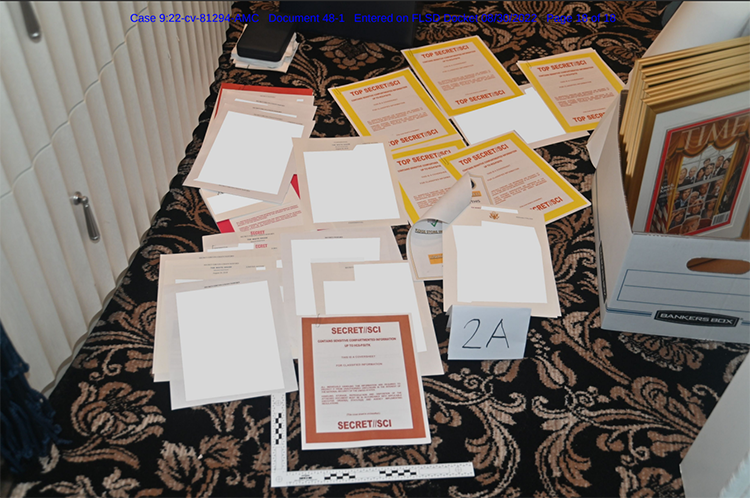
Los Angeles Superior Court Judge Theresa Traber, overseeing California’s state court talc lawsuits, chose six cases for bellwether trials, combing two of them at a time. Allegations by plaintiffs Monica Kent and Albert Schultz, whose wife died from ovarian cancer, will be tried side-by-side, reports usaherald.com. Kent’s attorney showed the jury a paper trail detailing that J&J had known since at least the 1960s that its talc (now cornstarch-based) could contain tremolite and asbestos, yet chose secrecy over transparency. He said evidence would show J&J went into “full-blown crisis mode” when an FDA-aligned researcher detected asbestos in its talc, convincing regulators the results were flawed while providing its own contradictory tests. And a pattern of concealment will be proven through internal reports, handwritten notes, and lab results dating back decades. Documents shown to the jury include:
- 1964 discussion about switching to cornstarch — already adopted by the condom industry — because it was absorbable and considered safer.
- 1969 memo noting tremolite in talc.
- 1973 report acknowledging “fiber-forming minerals” in a company mine.
- 1975 file labeled the “talc/ovary problem.”
- 1970s report finding tremolite in J&J talc with a handwritten warning: “Do not use this one.”
Expert testimony for the plaintiffs began with Dr. David Kessler, a pediatrician who also served as Chief Science Officer of the White House COVID-19 Response Team from early 2021 to May 2023. Next up, expert William Longo has identified asbestos in J&J powders. Jurors will evaluate complex scientific evidence provided by many experts, including studies on talc particle migration, tissue inflammation, and epidemiological data on cancer risk.
READ MORE CANADIAN TALCUM POWDER OVARIAN CANCER CLASS ACTION LEGAL NEWS
J&J is sticking to its guns. Saying these lawsuits are based on fundamentally flawed scientific conclusions, and that talc miners don’t show higher rates of cancer compared to the general population, despite their vastly higher level of exposure to the mineral, has secured multiple defense verdicts. J&J’s defense argues that:
- Plaintiffs were selectively quoting old material to evoke outrage.
- No reliable studies or government tests show J&J talc contains asbestos or causes ovarian cancer.
- Tremolite can appear in talc in both asbestos and non-asbestos forms, and that “trace amounts” do not mean contamination.
- Switching to cornstarch in 2020–2023 stemmed not from safety issues but consumer preference.
- Plaintiffs’ experts use unreliable methods and that if talc caused ovarian cancer, the country would have seen a dramatic spike during more than a century of widespread product use.
Beyond addressing individual claims that J&J’s talc-based baby powder causes ovarian cancer, legal experts say this trial will raise critical questions about corporate transparency and responsibility, the adequacy of regulatory oversight, and consumer safety. Whatever the outcome – defense or plaintiff win or mistrial, a bellwether influences how future cases are tried, settled, or negotiated.

Source link