Trademark Law
Can trademarking Taylor Swift’s voice, likeness combat deepfakes?
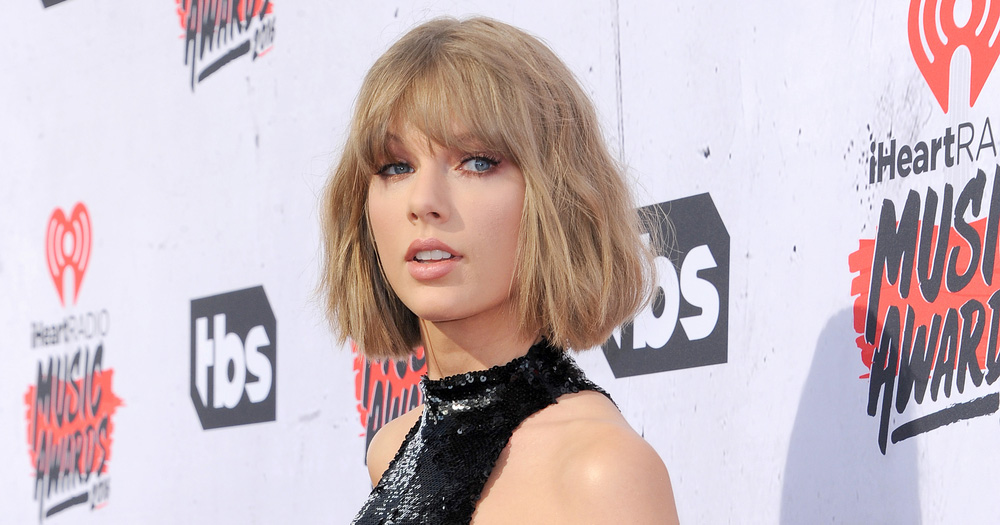
Pop supernova Taylor Swift has filed two trademark applications to protect her voice and likeness from artificial intelligence-generated deepfake videos and audio. (Photo from Shutterstock)
Pop supernova Taylor Swift has filed two trademark applications to protect her voice and likeness from artificial intelligence-generated deepfake videos and audio.
On Friday, Swift’s TAS Rights Management submitted applications with the U.S. Patent and Trademark Office for two audio clips and one photo of the star wearing a sequined outfit and holding a pink guitar, according to coverage by Reuters.
Countless AI-generated deepfakes of Swift have surfaced online.
Josh Gerben, a trademark attorney who publicized news of Swift’s application filings on his blog, wrote that they “are specifically designed to protect Taylor from threats posed by artificial intelligence.”
Gerben noted that registering a celebrity’s spoken voice is a new use of trademark registration. Actor Matthew McConaughey has had similar filings of his persona approved this year.
In the past, singers have been able to rely on copyright law to protect recorded music.
“But AI technologies now allow users to generate entirely new content that mimics an artist’s voice without copying an existing recording, creating a gap that trademarks may help fill,” Gerben wrote.
Write a letter to the editor, share a story tip or update, or report an error.