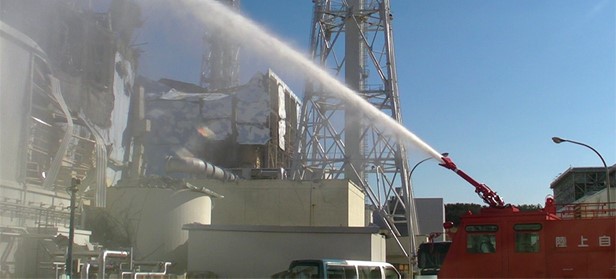
Approximately 150 Japanese fishermen, hailing from the Fukushima Prefecture filed a lawsuit on Friday in the district court of Japanese jurisdiction. The defendants in this case are the government and the TEPCO company. This legal action revolves around the discharge of radioactive treated water from the Fukushima-1 nuclear power plant.
The fishermen assert that the release of potentially hazardous material violates their right to fish. Despite previous protests by Japanese and South Korean citizens, this marks the first instance of a collective lawsuit being filed on this matter. The plaintiffs in the lawsuit include fishermen from Fukushima, Tokyo, Miyagi, Iwate, Ibaraki, Chiba, and Niigata prefectures.
The lawsuit contends that the government’s decision regarding the water discharge is unlawful. The primary demands in this collective lawsuit include the revocation of the permit for alterations to the water discharge plan and the conducting of pre-operational inspections of the facilities. Ultimately, the core demand is to cease the water discharge, a responsibility currently held by TEPCO.
Previously, the Japanese government stated that they had provided a detailed plan to the IAEA (International Atomic Energy Agency). Simultaneously, the head of the IAEA confirmed approval of this plan during a public meeting, asserting that it adheres strictly to safety standards established by the global organization.
The radioactive water originates from the partially damaged Fukushima-1 nuclear reactor. According to the Japanese plan, it will undergo gradual purification through a system designed to remove multivalent ions. Subsequently, it will be discharged in larger quantities, proportionally mixed with regular water, into the global ocean.
The international community has expressed skepticism regarding this plan, primarily because tritium, a radioactive substance, shares chemical properties with hydrogen and thus cannot be effectively purified or removed. To date, there are no feasible methods for genuinely decontaminating this water from radioactive pollutants, posing potential threats to global flora and fauna.
Opposition to this idea has also arisen from the governments of South Korea and China, both of which directly rely on water that could potentially be contaminated with tritium. China imposed a complete embargo on Japanese seafood following its protest on August 24th. In response, Japan allocated approximately 100 billion yen to support its fishing industry as a countermeasure.

Reach Out
Don’t hesitate to reach out to us to discuss your specific needs. Our team is ready and eager to provide you with tailored solutions that align with your firm’s goals and enhance your digital marketing efforts. We look forward to helping you grow your law practice online.
Our Services:
Blog Post Writing
We do well-researched, timely, and engaging blog posts that resonate with your clientele, positioning you as a thought leader in your domain.
Content Writing
Beyond articles and content for blogs, we delve into comprehensive content pieces like eBooks, and case studies, tailored to showcase your expertise.
Website Content Writing: First impressions matter. Our content ensures your website reflects the professionalism, dedication, and expertise you bring to the table.
Social Media Management
In today’s interconnected world, your online presence extends to social platforms. We help you navigate this terrain, ensuring your voice is consistently represented and heard.
WordPress Website Maintenance
Your digital office should be as polished and functional as your physical one. We ensure your WordPress site remains updated, secure, and user-friendly.
For more information, ad placements in our attorney blog network, article requests, social media management, or listings on our top 10 attorney sites, reach out to us at seoattorneyservices@gmail.com.
Warm regards,